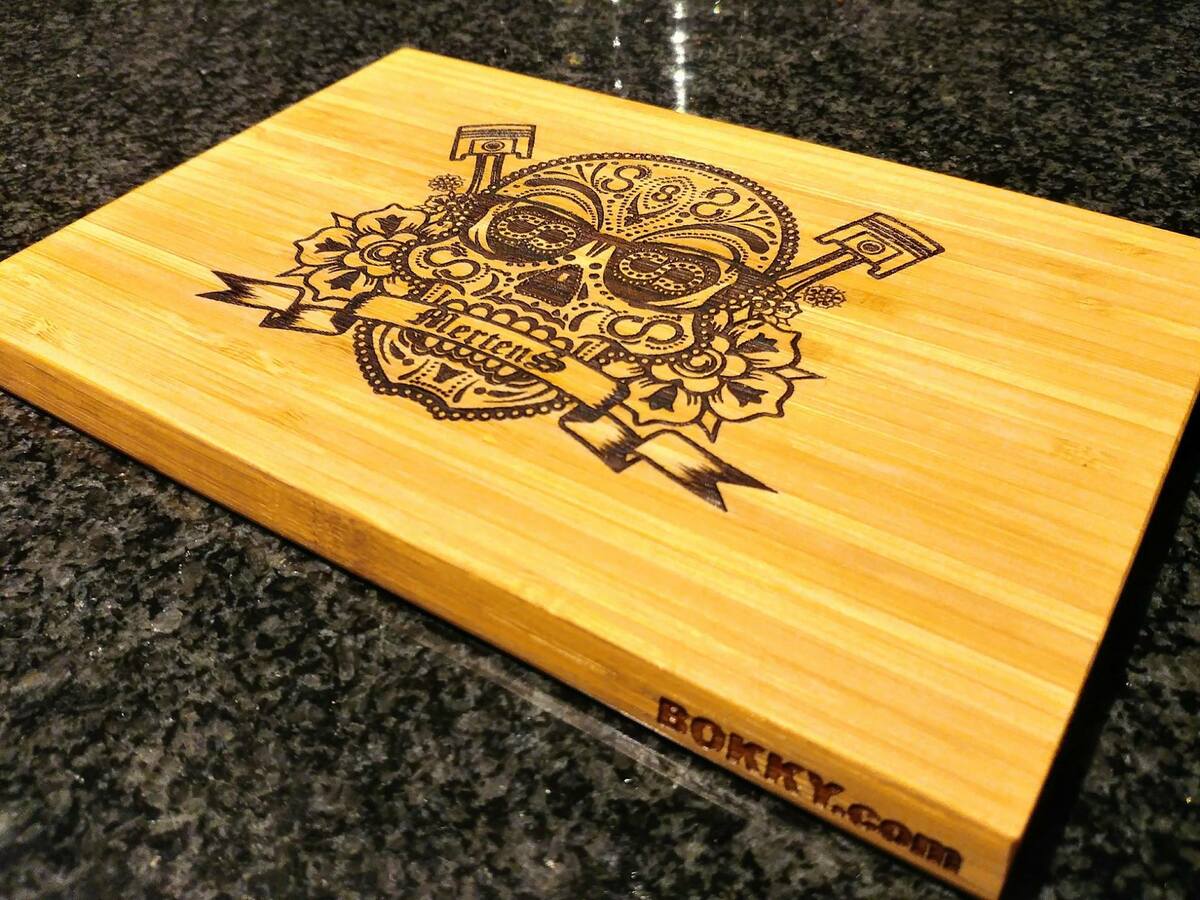
High-Demand Cutting Board Projects for Beginners to Sell: A Woodworking Journey
Hey there, woodworking enthusiasts! Are you ready to dive into the world of crafting beautiful and functional cutting boards? Let's face it, everyone needs a good cutting board, and you can turn this everyday necessity into a profitable side hustle or even a full-time business.Why Cutting Boards are a Great Choice for Beginners
Let's be real, woodworking can feel a little intimidating, especially when you're just starting out. But cutting boards are a fantastic project for newbies because:
- They're relatively small and manageable: No need to wrestle with huge slabs of wood, making it easier to handle and manage.
- The process is straightforward: There are a lot of great tutorials available to guide you through the steps.
- They offer endless customization possibilities: Different wood species, shapes, sizes, and finishes create unique and appealing pieces.
- They're in high demand: Everyone needs cutting boards, making them a popular and readily marketable product.
Think about it: Imagine turning a simple piece of wood into something beautiful and functional, something that can add a touch of handcrafted charm to any kitchen. That's the magic of woodworking, and cutting boards are a great way to experience it.
High-Demand Cutting Board Ideas to Get You Started
Now, let's get down to the exciting part: picking the cutting board projects that will make your customers drool! Here are some of the most popular styles to consider:
1. Classic Rectangular Cutting Board
The tried and true, the classic rectangular cutting board is a must-have for any kitchen. Its simple design makes it easy to work with, and it's incredibly versatile. You can offer it in different sizes, choose from a variety of woods, and even add a juice groove for capturing those messy drips.
2. End Grain Cutting Board
End grain cutting boards are known for their durability and knife-friendliness. They're created by using wood with the grain perpendicular to the surface, which makes them resistant to scratches and dulling. The unique pattern and appearance of end grain boards make them a highly sought-after item.
3. Round Cutting Board
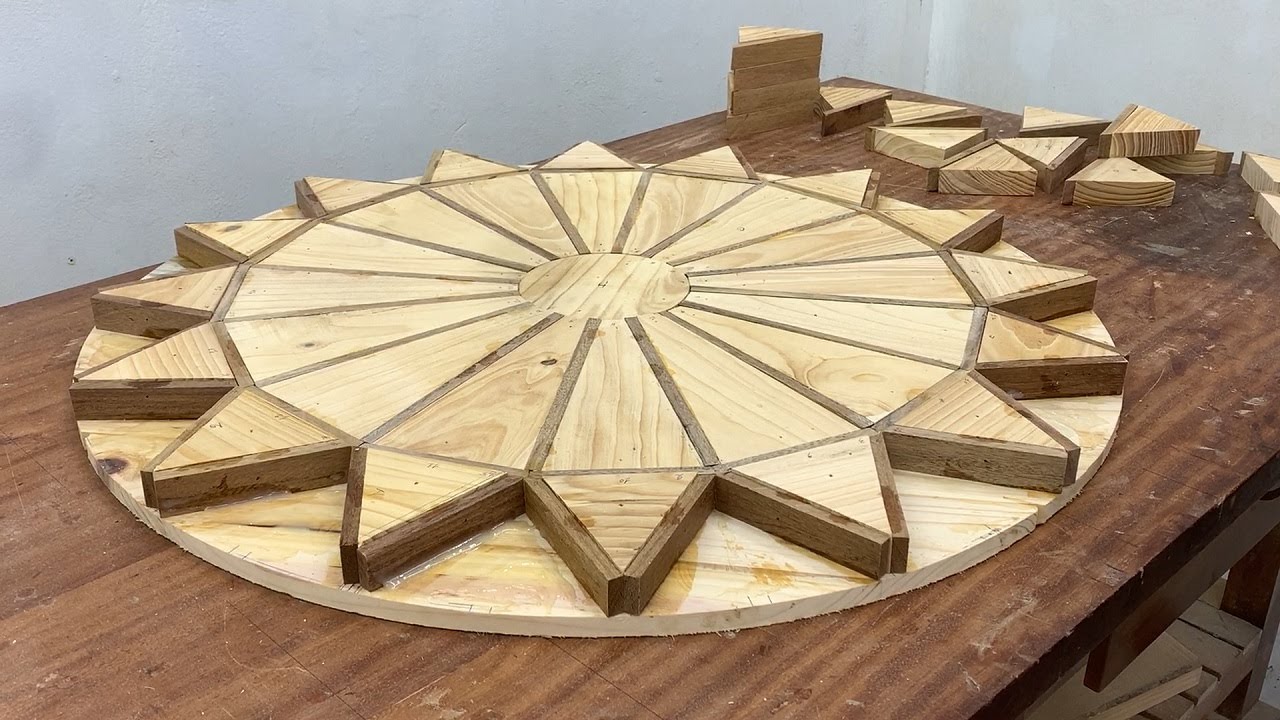
Looking for something a bit more unique? A round cutting board adds a touch of elegance to any kitchen. They're perfect for serving charcuterie boards, pizzas, or even as a decorative centerpiece. The circular design adds a touch of whimsy to your product line.
4. Cheese Board
Cheese boards are a popular addition to any kitchen, allowing you to serve cheese, crackers, and other snacks in style. You can design these boards with different compartments for various cheese types, include a built-in knife holder, or even add a cutting surface.5. Cutting Board with Handle
Adding a handle to your cutting board makes it easier to move and carry. This is a great option for serving boards or for those who need a little extra leverage when chopping. You can create a variety of handle styles, from classic to modern.
Essential Tips for Creating Cutting Boards
Alright, you've chosen your cutting board project. Now, let's make sure you have the tools and knowledge to succeed! Here are some must-have tips to help you create cutting boards that will impress:
1. Choose the Right Wood
Not all wood is created equal when it comes to cutting boards. You want wood that's hard, durable, and resistant to moisture and bacteria. Popular options include:
- Hard Maple: A strong, durable choice with a beautiful grain pattern.
- Walnut: Known for its rich color and unique grain patterns.
- Cherry: A beautiful, reddish-brown wood with a warm tone.
- Oak: Strong and durable, with a distinct grain pattern.
- Bamboo: A sustainable and eco-friendly option that's naturally antibacterial.
2. Use Safe Wood Glue
When you're building cutting boards, using wood glue is essential for creating strong, durable bonds. Always use a waterproof, food-safe wood glue.3. Apply a Food-Safe Finish
After sanding, it's time to protect your cutting board with a food-safe finish. This will help prevent moisture absorption, protect the wood from scratches, and make cleaning easier. You can choose from:- Mineral Oil: A classic and easy-to-apply finish that's food-safe.
- Beeswax: Adds a natural sheen and protection to the wood.
- Food-Safe Polyurethane: Creates a durable, water-resistant finish.
4. Sanding is Key
Sanding is a crucial step in creating a smooth and beautiful cutting board. Use progressively finer grit sandpaper to achieve a polished finish. Don't forget to round the edges to prevent splinters.
5. Promote Your Products
Once your beautiful cutting boards are ready, it's time to showcase them to the world! Create a professional online presence through a website or social media accounts to reach a wider audience. You can also participate in craft fairs or local farmers' markets to connect with potential customers face-to-face.
Commonly Asked Questions About Cutting Boards
You're ready to jump into the world of cutting boards, but you might have some questions. Here are some common ones, and the answers you need:
1. How do I choose the right wood for my cutting board?
The best wood for cutting boards is hard, durable, and resistant to moisture and bacteria. Hard maple, walnut, cherry, oak, and bamboo are all excellent choices. Consider the appearance, durability, and budget to find the perfect wood for you.
2. What kind of finish should I use?
Choose a food-safe finish that's durable and protects the wood. Mineral oil, beeswax, and food-safe polyurethane are all popular options.
3. How do I care for my cutting board?
Regularly clean your cutting boards with warm, soapy water and dry them thoroughly. Apply a fresh coat of mineral oil or beeswax as needed to keep the wood hydrated and protected.
4. How much can I sell my cutting boards for?
The price of your cutting boards will depend on the size, wood type, and complexity of the design. Research what similar cutting boards are selling for online and at craft fairs to get an idea of what you can charge.
There you have it! A guide to creating high-demand cutting boards and turning your woodworking passion into a profitable venture. Remember, start small, learn as you go, and never stop experimenting. Good luck, and happy crafting!