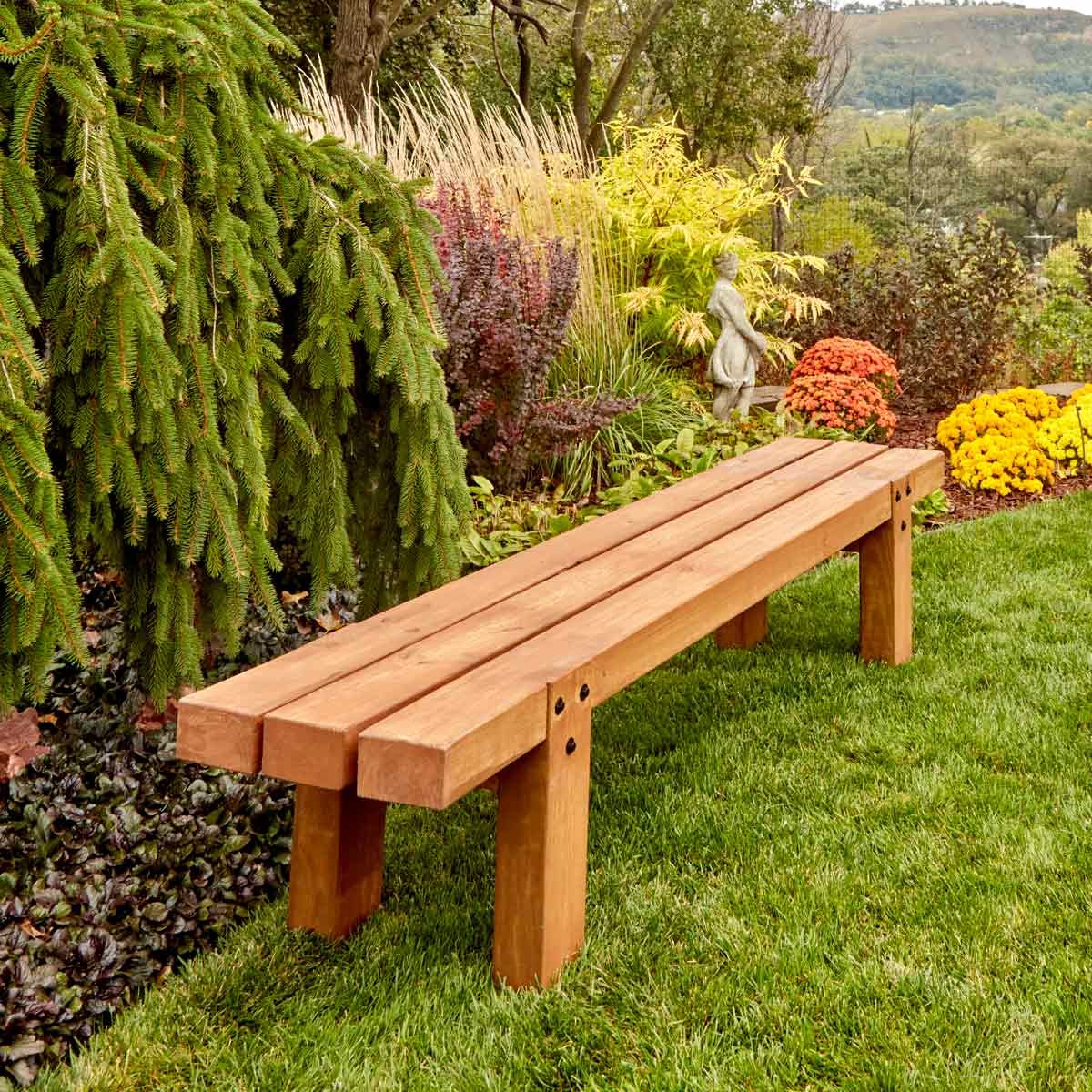
Creating Functional and Stylish Wooden Benches for Entryways and Mudrooms
Entryways and mudrooms are often the first and last impressions of your home, so it's essential to create a welcoming and practical space. A wooden bench can be a valuable addition, providing seating, storage, and a place to organize shoes and belongings. This article will guide you through crafting beautiful and functional wooden benches for your entryway or mudroom.
Planning Your Bench
Before embarking on your woodworking project, careful planning is essential.
Determine Size and Style
Consider the available space, the number of people you need to accommodate, and the overall style of your home.
- Dimensions: Measure the area where you want to place the bench. Consider the width, depth, and height to ensure it fits comfortably and doesn't obstruct traffic flow.
- Style: Research different bench designs. You can choose from simple, traditional styles, contemporary minimalist designs, or more elaborate options. Choose a style that complements the existing decor.
Material Selection
Choose durable wood that will stand up to daily use and potential moisture.
- Hardwoods: Oak, maple, cherry, and walnut are strong and beautiful choices. They offer excellent durability and can be stained or painted to your liking.
- Softwoods: Pine and cedar are more budget-friendly options. They are lightweight and easy to work with but might require additional care to protect them from scratches and dents.
- Reclaimed Wood: Adding reclaimed wood gives character and sustainability to your project. It often features unique patterns and textures.
Features and Functionality
Think about the specific functions you want your bench to serve.
- Storage: Include built-in shelves, drawers, or baskets beneath the seat for storing shoes, coats, and other items. Consider adding a drop-down door or a hinged seat for easy access.
- Hooks: Install coat hooks or pegs on the back of the bench for hanging jackets, bags, or scarves.
- Cushioning: Choose comfortable padding for the seat. You can use foam, pillows, or a custom-made cushion.
Construction and Materials
Once you have your plan finalized, you can start assembling your bench. You'll need the following tools and materials:
Tools
- Saw (circular, miter, or table saw)
- Drill
- Screwdriver
- Measuring tape and ruler
- Level
- Clamps
- Sandpaper
- Wood glue
- Safety glasses and gloves
Materials
- Wood boards (dimensions based on your design)
- Screws or nails
- Wood stain or paint (optional)
- Finishing oil or sealant (optional)
- Hardware (hinges, drawer slides, hooks, etc.)
- Cushioning (foam, pillows, or fabric)
Building the Bench
Follow these steps to build a sturdy and attractive wooden bench:
1. Cut the Wood
Use your chosen saw to cut the wood boards to the exact dimensions specified in your plan. Measure carefully to ensure accurate cuts.
2. Assemble the Base
Join the wood boards to create the base of the bench. Use screws or nails to secure the joints, making sure they are aligned and flush.
3. Attach the Legs
Attach the legs to the base. Use wood glue and screws for a strong bond. Ensure the legs are level and at the desired height.
4. Build the Seat
Create the seat frame by joining wood boards together. You can make it solid or add slats for a more rustic look. Secure the seat frame to the base.
5. Add Storage (Optional)
If you're incorporating storage, assemble the shelves, drawers, or baskets according to your plan. Secure them beneath the seat frame.
6. Install Hooks (Optional)
Attach coat hooks or pegs to the back of the bench for hanging items. Make sure they are sturdy and securely fastened.
7. Sand and Finish
Sand the entire bench using progressively finer grit sandpaper to achieve a smooth finish. Apply wood stain, paint, or a sealant to protect the wood and enhance its appearance. Let the finish dry completely.
8. Add Cushioning
Place cushions, pillows, or padding on the seat for comfort. Choose materials that complement the style of your bench and your entryway or mudroom.
Tips for Success
- Plan and Measure Carefully: Accurate measurements and careful planning will result in a well-fitting and attractive bench.
- Use Quality Wood: Investing in durable wood will ensure your bench lasts for years to come.
- Reinforce Joints: Use wood glue and screws or nails for strong and secure joints.
- Sand Smoothly: Thorough sanding creates a smooth, even surface for your finish.
- Choose a Suitable Finish: Select a wood finish that complements your style and offers protection against wear and tear.
- Add Personal Touches: Customize your bench with decorative hardware, unique wood choices, or personalized details.
Conclusion
Building a wooden bench for your entryway or mudroom is a rewarding project that adds both functionality and style to your home. By carefully planning, choosing quality materials, and following the steps outlined above, you can create a piece of furniture that will enhance your entryway and serve your family for years to come. Remember to enjoy the process, take your time, and personalize your bench to reflect your unique taste and style.

0 comments:
Post a Comment
Note: Only a member of this blog may post a comment.