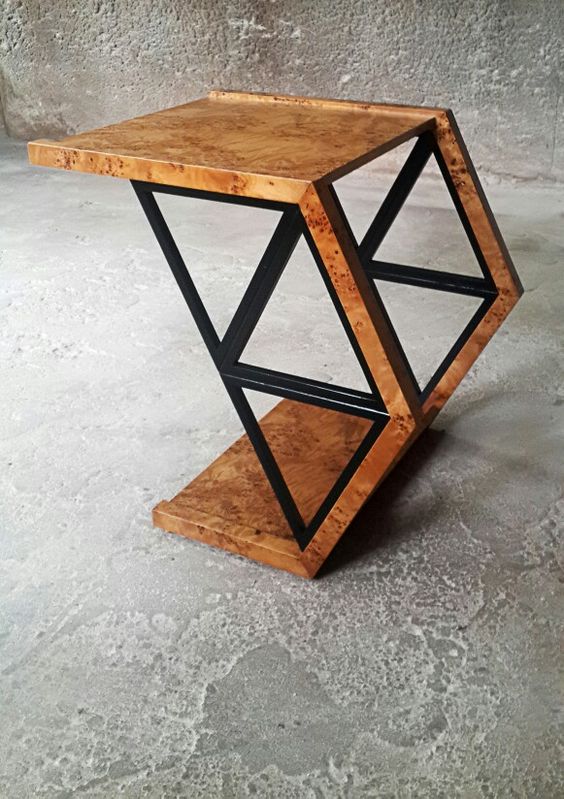
Building Modern Coffee Tables with Geometric and Abstract Shapes
In the realm of interior design, coffee tables stand as pivotal focal points, setting the tone for the overall aesthetic of a living space. Modern coffee tables, in particular, have gained immense popularity for their sleek lines, minimalist designs, and ability to seamlessly integrate with contemporary décor. By incorporating geometric and abstract shapes, these tables transcend mere functionality and transform into captivating works of art. This comprehensive guide will delve into the intricacies of crafting modern coffee tables with these captivating design elements, empowering you to create stunning statement pieces for your home.
Embracing Geometric Forms
Geometric shapes, renowned for their precision and mathematical elegance, lend themselves perfectly to the modern aesthetic. They evoke a sense of order, harmony, and sophistication, adding a touch of intellectualism to any space. When designing a geometric coffee table, consider the following forms:
Circles and Ovals
Circles and ovals exude a sense of fluidity and continuity. They can create a visually calming effect and foster a sense of intimacy. A circular coffee table can act as a central gathering point, inviting conversation and fostering a sense of unity. Alternatively, an oval table can create a more elongated and dynamic presence, adding a touch of visual interest to the room.
Squares and Rectangles
Squares and rectangles are classic geometric forms that radiate stability and structure. They provide a sense of groundedness and can serve as anchors in a room. A square coffee table offers a sense of balance and symmetry, while a rectangular table can create a more linear and streamlined look. Consider incorporating a unique edge treatment, such as a chamfered edge or a rounded corner, to add visual interest and soften the overall aesthetic.
Triangles
Triangles, with their sharp angles and dynamic energy, add a touch of boldness and intrigue. They can be incorporated into the table's legs or base, creating a visually striking and unexpected element. A triangular table can also create a sense of movement and dynamism, particularly when used in conjunction with other geometric shapes.
Exploring Abstract Shapes
Abstract shapes, free from the constraints of traditional geometry, allow for boundless creative expression. They offer a sense of freedom, playfulness, and artistic exploration, adding a unique dimension to any modern interior. Consider incorporating the following abstract shapes:
Freeform Curves
Freeform curves, characterized by their organic and flowing lines, introduce a sense of movement and dynamism. They can be used to create undulating tabletops or sculptural bases. When incorporated strategically, freeform curves can soften the angularity of geometric shapes, creating a more balanced and harmonious aesthetic.
Organic Forms
Organic forms, inspired by nature, often feature irregular shapes and textures. They evoke a sense of natural beauty, tranquility, and connection to the earth. A coffee table with an organic form can create a focal point that draws attention and sparks conversation. Consider incorporating materials like wood, stone, or metal with natural textures to enhance the organic feel.
Asymmetrical Designs
Asymmetrical designs challenge conventional notions of balance and symmetry, creating a sense of visual intrigue and unexpectedness. A coffee table with an asymmetrical design can add a touch of whimsy and personality to the room. Consider incorporating an asymmetrical tabletop with a geometric base or vice versa to create a visually engaging contrast.
Materials and Finishes
The choice of materials and finishes plays a crucial role in defining the overall aesthetic of a modern coffee table. Here are some popular options:
Wood
Wood remains a timeless material that brings warmth, natural beauty, and durability to any space. Consider using hardwoods like walnut, oak, or maple for their rich grains and durability. Alternatively, use softer woods like pine or cedar for a more rustic and organic feel.
Metal
Metal, with its sleek and industrial aesthetic, adds a touch of sophistication and modernity. Steel, aluminum, and brass are commonly used for their durability and versatility. Consider incorporating different metal finishes, such as polished chrome, brushed nickel, or antique brass, to add a touch of personality.
Glass
Glass, with its transparency and reflective qualities, creates a sense of lightness and openness. It can be used to create a tabletop that appears to float above the base or to showcase the underlying structure. Tempered glass is particularly durable and suitable for coffee tables.
Stone
Stone, with its natural textures and unique patterns, adds a touch of elegance and sophistication. Marble, granite, and limestone are popular choices for their durability and timeless beauty. Consider using stone in conjunction with other materials, such as metal or wood, to create a multi-faceted and visually captivating table.
Construction Techniques
The construction techniques employed will influence the stability, durability, and aesthetic of the coffee table. Here are some popular methods:
Frame and Panel Construction
Frame and panel construction involves creating a sturdy frame that supports a panel or tabletop. This method is commonly used for rectangular or square tables. It allows for the incorporation of different materials for the frame and panel, creating a visually interesting contrast.
Solid Wood Construction
Solid wood construction involves using a single piece of wood for the tabletop and legs. This method is ideal for creating a table with a rustic or organic feel. It can also be used to create tables with intricate carvings or designs.
Metal Fabrication
Metal fabrication techniques, such as welding, bending, and cutting, can be used to create unique and intricate metal frames or bases. This method allows for the creation of highly customized designs, including abstract and geometric shapes.
Finishing Touches
The finishing touches applied to a modern coffee table can elevate its visual appeal and enhance its overall aesthetic. Consider the following options:
Paint and Stain
Paint and stain can be used to transform the look and feel of a coffee table. Consider using a bold color to create a statement piece or a neutral shade to blend seamlessly with the surrounding décor. You can also use a variety of finishing techniques, such as distressing or antiquing, to add character and texture.
Metal Finishes
Metal finishes, such as polished chrome, brushed nickel, or antique brass, can add a touch of sophistication and elegance to a coffee table. Consider using a combination of different finishes to create a visually intriguing contrast.
Unique Hardware
Unique hardware, such as custom-designed knobs or drawer pulls, can add a touch of personality and sophistication to a coffee table. Consider incorporating hardware that complements the overall design and style of the table.
Conclusion
Building modern coffee tables with geometric and abstract shapes offers a unique opportunity to create stunning statement pieces for your home. By embracing the principles of modern design, incorporating a wide range of materials and finishes, and employing innovative construction techniques, you can craft tables that not only serve as practical furniture pieces but also as captivating works of art. Whether you opt for the precision of geometric forms or the freedom of abstract shapes, your coffee table will undoubtedly become a focal point that reflects your personal style and enhances the overall aesthetic of your living space.

0 comments:
Post a Comment
Note: Only a member of this blog may post a comment.